Social issues
Critical Flood Response: PM and NDMA Accelerate Emergency Response

Witness how the Prime Minister and NDMA are leading from the front in Pakistan’s flood crisis, with fast evacuations, lifesaving relief, and bold plans for future resilience.
Immediate National Action as Flood Waters Surge
One of the worst forms of natural disasters is flooding, which poses a significant risk to lives, infrastructure, and livelihoods. A swift and integrated response is crucial in reducing damage during emergencies. In recent times, the Prime Minister (PM) and the National Disaster Management Authority (NDMA) have intensified their flood response operations, focusing on rapid evacuation, relief arrangements, and recovery.
Swift Leadership in Times of Crisis
Effective crisis response hinges on decisive leadership. The Prime Minister acted promptly and consulted with the NDMA and provincial agencies on fiscal matters. His involvement in easing approvals, facilitating rapid resource mobilization, and ensuring effective communication at every tier helped keep things perfectly that way. Such leadership reassures communities and strengthens rescue and rehabilitation operations.
PM’s Perspective: “Nature’s Fury, Man’s Mistake”


During his tour of flood-hit Khyber Pakhtunkhwa, the Prime Minister acknowledged the power of natural disasters yet stressed that human errors often intensify their impact. He remarked, “Natural disasters are acts of God, but we cannot ignore the human blunders.” He warned that allowing corrupt practices and undue influence in the issuance of building permits must end, or both the people and the government will face dire consequences. This acknowledgment highlights the significant role that poor planning and negligence play in worsening the outcomes of disasters.
NDMA’s Technology-Driven Approach
There is an advanced technology of NDMA response. Early warnings to at-risk communities are provided through satellite imagery, weather modeling, and river-level monitoring. Digital dashboards and mobile apps track relief supplies and the progress of rescue operations in real-time. Such tools, coupled with local coordination, guarantee the responsiveness of the alerts in the field of action.
Mass Evacuations and Rescue Operations

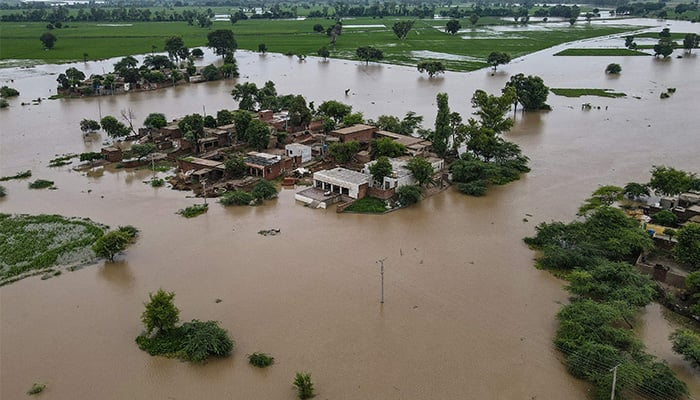
The first thing is preserving life. Recently, in its efforts to help evacuate the population, NDMA, abetted by military teams and volunteers, evacuated more than 200,000 community members through boats, helicopters, and emergency vehicles. Especially vulnerable populations, such as children, older people, and individuals who have a disability, were considered. Their collaborative practice resulted in a significant reduction in deaths and a focus on effective planning and implementation.
Challenges in Flood Management
Responses to the flood are complicated by unpredictable weather, urban expansion, and weak infrastructure. Evacuations face challenges such as traffic congestion and locating suitable shelters, as well as the risk of contracting waterborne diseases. With leadership from federal and provincial agencies, collaboration has improved readiness, but significant long-term infrastructure investment is crucial.
Relief Camps and Medical Aid

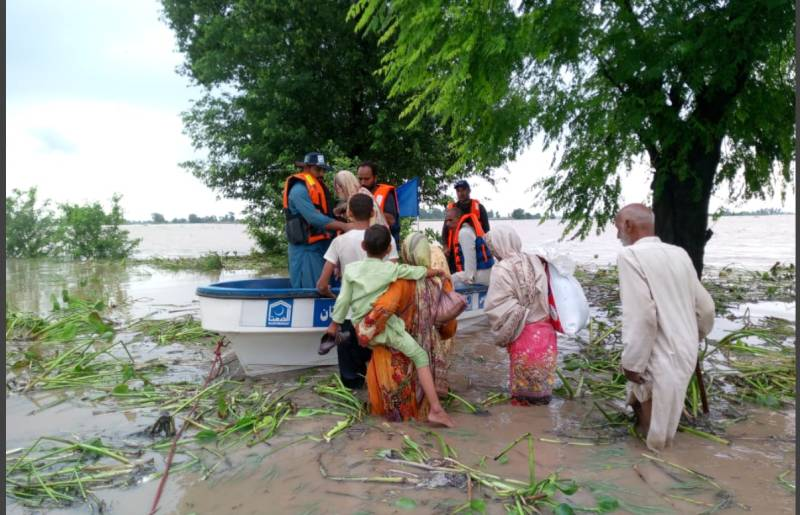
When they were evacuated, the concern no longer remained on needs. NDMA has been providing relief camps where people receive food, clean water, sanitation, and temporary shelter. Injuries are treated and diseases are prevented by mobile medical units staffed by doctors and paramedics. Even mental health services are offered since catastrophes have emotional trauma issues. This holistic assistance is designed to uphold both health and dignity during the revitalization process.
Building Resilience for Future Floods
Long-term resilience is vital, alongside emergency reactions. The PM and NDMA are enhancing structural defenses, such as embankments and drainage systems, while promoting community preparedness through emergency kits and evacuation routes. International partnerships are being utilized to fund climate adaptation programs, shifting from reactive to proactive resilience.
Effective leadership by the Prime Minister and NDMA shows that decisive action, technology integration, and community relief can save lives during disasters. As climate change increases flood risks, prioritizing resilience, preparedness, and transparent governance will be crucial for preserving and restoring communities after crises.
- Also Read: