
Social issues
Communities on Edge as Rivers Face Medium to High Flood Alerts

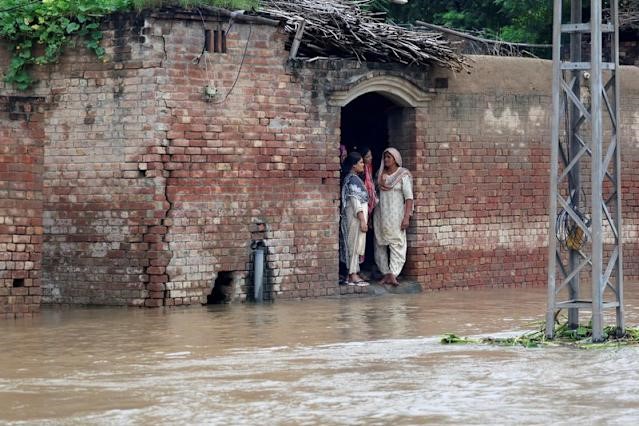
When flood alerts are issued, they are not just weather updates, they are life-changing warnings. Moderate floods show that rivers are slowly inundating low-lying land and crops across the land. Extreme flood alerts, however, may cover houses, streets and even whole neighborhoods. To rural farmers it implies a spoiled farmland, whereas in urban centres it may cause everything to go awry in terms of transport, medical facilities, and necessities. It doesn t matter whether your home is on the river bank or in a concrete heavy urban area the dangers are far beyond the rising waters.
The Human Cost: Who Pays the Highest Price in Flood Crises
This affects most those who are less fortunate to being with. Farmers become unemployed, households with low income become displaced, children get education and nutrition disrupted. The mental impact continues to haunt even after the flood waters have disappeared, leaving the people traumatized and insecurity lingers on. However, there are also tales of recovery, villages that recover as one, communities that open their hearts to the fallen and displaced and individuals who can to make a closer bond out of a tragedy.
It Feels More Than Just Rain. What Can Be the Causes?
While torrential rain sparks most flood alerts, deeper issues fuel the severity. Climate change has added a greater intensity to the monsoons shifting seasonal rainfall to record-setting deluges. Incidentally, rapid urbanization can imply building along waterways (narrowing them) and asphyxiating natural drainage. As a result, the deforestation eradicates the sponge of the earth leaving the land capacity to absorb excessive rainfall. Floods, thus, cannot be thought of as naturally caused disaster but as a combination of human choices added upon the severity of weather.
Economy Under Water: Counting the Hidden Costs
Floods do not just destroy houses. The first victim is agriculture which results to food shortage and increase in food prices. Destroying roadways, bridges and power lines stop trade and paralyze economies in weeks. The uninsured families incur unbearable losses, which in most cases makes them to be even more destitute. Governments use billions on the recovery efforts; money which could have been used in schools, in healthcare, or in infrastructure. There is a really long trail of hidden costs that extend much further beyond the flood itself
Warning Systems and Response: Are We Truly Prepared?

Modern flood alerts have improved, but gaps remain. In cities, text-based warning systems and sirens are useful but they cannot reach far off villages. The government agencies and Non-governmental organisations take initiatives through rescue boats and relief camps, but it takes a long time to coordinate. When given power, local communities can oftentimes act much more rapidly, establishing shelters and stockpiling necessities as well as keeping vigil over river levels, themselves. The maximum preparation is whereby its roots are at the local level.
Technology as a Lifeline: From Drones to Data Analytics
Technology has taken its position as a front defense Now drones identify areas on flood alerts and help rescue crews deploy to families in need. Satellite imagery and the power of predictive analysis alerts authorities of river surges in advance. In other areas where floods alerts are frequent, the flood alerts in these days are by the use of AI models is under experimentation providing people with the time to prepare. Such an investment in tools has the potential to take disaster management to a proactive level.
The Silver Lining: Can Floods Spark Positive Change?
In every setback there is a lesson learnt Past destruction has also driven governments to more effective water management that include restoring wetlands and developing flood alerts buffer zone. The idea of environmentally friendly city planning such as green belts and permeable paving is catching up. Although floods are destructive they serve to pull the community together and care about each other.
What You Can Do: Small Steps That Save Lives
The difference can be made at home by making us ready. Stock food and water that is safe to drink, have useful medicines available, and prepare a family evacuation plan. There is an additional community protection as there are raised structures constructed to keep the livestock and local watch guards.
Turning Crisis into Collective Action
Governments, communities, and individuals have to cooperate not only to recover but, also to prevent. When flood alerts arrive, they should be taken as a call to protect lives, livelihoods, and the shared future of vulnerable communities everywhere.
You can read more on this article, by clicking on this
If you enjoyed reading our article, then click here and go to our website for more trending news in Pakistan


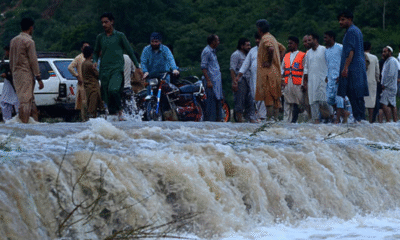



On September 1, 2025, powerful earthquake tremors rattled Punjab and Khyber Pakhtunkhwa (KP), leaving residents shaken and on edge. Some cities of Pakistan have felt the earthquake’s intensity. Mainly Lahore, Rawalpindi, Peshawar, and Abbottabad faced the tremor. Saving lives by sending people outside their houses in panic was the only way to survive. The shake was strong enough to interrupt daily life, reminding many of the seismic risks that linger in this part of South Asia. Witnesses reported furniture shaking, walls trembling, and electricity lines swaying during the tremor.
Panic in the Streets: Voices from the Ground
The earthquake triggered a wave of fear across both provinces. Families rushed to open spaces, abandoning their homes and shops in search of safety. Many people described the sound of windows rattling and doors banging violently. Social media platforms quickly filled with firsthand accounts, from shaky videos of swaying buildings to emotional messages of concern. Parents clutched their children tightly while others prayed openly in the streets, capturing the raw fear that often follows such natural events.
Measuring the Shocks: Seismologists Explain the Intensity
The tremors measured 5.6 on the Richter scale with a moderate depth that amplified their impact. Experts highlighted that the region sits near the boundary of the Indian and Eurasian tectonic plates, making it particularly vulnerable to frequent seismic activity. Punjab and KP, though not epicenters, often feel aftershocks from quakes originating in northern Afghanistan and surrounding fault lines. Specialists emphasized that even moderate quakes can pose serious risks when population density and infrastructure vulnerabilities are considered.
From Fear to Relief: No Major Damage Reported
Despite the strong tremors, authorities confirmed that no major damage or loss of life had been reported as of Monday afternoon. Minor cracks were seen in some older structures, but there were no widespread reports of collapsed buildings. Hospitals and emergency response units remained on high alert, but the situation remained under control. This news brought relief to millions who feared a repeat of the devastating quakes Pakistan has witnessed in the past.
Lessons from the Quake: Preparedness in High-Risk Zones
Experts stress that every tremor, regardless of intensity, is a reminder of the need for preparedness. Residents are advised to identify safe spots inside their homes, such as door frames or beneath sturdy furniture, and to practice evacuation drills. Authorities are also urged to strengthen early-warning systems that can provide seconds of advance notice, enough to save lives. In areas like Punjab and KP, where populations are dense, readiness can mean the difference between chaos and safety.
A Reminder of Resilience: Communities Standing Strong

Amid the panic, stories of resilience shone through. Neighbors comforted one another, strangers offered water and shelter, and communities remained calm after the initial shock passed. This unity in moments of crisis reflects the enduring strength of people living in quake-prone regions. For many, the tremors were not only a warning but also a testament to their ability to stand together.
The Global Context: Why Quakes in South Asia Matter Internationally
South Asia’s seismic activity has global relevance, as quakes here often impact millions across multiple borders. Pakistan, Afghanistan, India, and Nepal share interconnected fault systems, meaning international cooperation is vital. Global disaster agencies continue to emphasize regional coordination on early-warning technologies and disaster management strategies.
Looking Ahead: Strengthening Safety for the Future
As Punjab and KP return to normalcy, the earthquake serves as both a scare and a lesson. Strengthening building codes, investing in emergency infrastructure, and educating citizens about safety remain urgent priorities. With better preparedness, future quakes can shift from tragedies to managed risks, ensuring communities not only survive but also emerge stronger.
If you enjoyed reading our article, try scrolling through our website by clicking here.
Social issues
Deadly Flash Flooding Devastates Gujranwala Division: At Least 15 Killed in Shocking Disaster


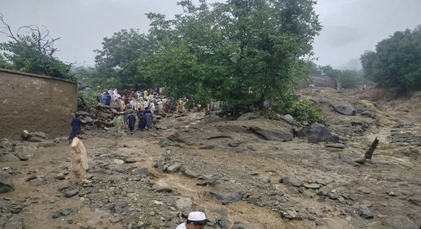
Flash Flooding. The disaster is especially atrociously speedy in the Gujranwala division; flash floods kill at least 15 individuals. The abrupt shock in the abruptly flowing water sent people scurrying to safety in disbelief, and the rescue forces wanted to beat the clock. The carnage paints a bleak picture of what nobody could have ever expected. How can a normal day become a nightmare in just a few seconds?
Deadly Flash Flooding : The Mute Killer Rained
Rivers of death had become in the next strokes of the heart. Torrential Rains and blocked drains resulted in flash floods which ripped off the villages and towns. It could not be a gradual business–it was as lightning-bolts of nature, striking blindly about. People were killed by the myth and the myth had nothing to do with the people because uncivilized power of nature was driven away.
The Human Toll: Lives Shattered in Moments
At least 15 individuals are murdered and this is an extreme recognition of the power of the nature. Broken families and drowned dreams. Families of wholesale, children, old people were carried away in a flash of an eye. That all human lives are lost is an added contribution to the spectral pressure of the tragedy and it introduces the issue of life and death preparedness and response in the region.
Communities in Crisis: The Aftermath Unveiled.
The survivors recount of the acts of atrocities and misery. Massive infrastructure was incinerated, street and house were swept away. The humanitarian requirements included e.g. shelter shelters, food ration, medical services, and it, the national relief activities are in conflict with the Gujranwala partition. The landscape of post storm is a circus of life and agony.
The Hidden Triggers Behind the Flooding Fury
yet why has there been so much havoc in such a flood? Researchers are not discussing the heavy rain only. The danger of floods is preconditioned by high urbanization, forest erosion and inefficient water management. The catchments were obstructed by poor drainage and pests and aggravated the effects. The gaps that occurred in the institution were manifested by the floods which occurred and, therefore, had to be filled with the utmost urgency.
Rescue Operations: Run against the Time.
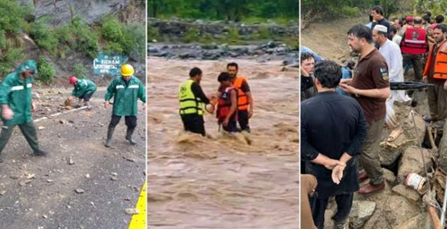
The rescue personnel were heroes due to the manner in which they went in search of the victims in hopelessness after the devastation. Hotspots in the floods were reached by helicopters and boats and even volunteers came to risk their lives in order to save others. Time was now the enemy–a minute in this death and life conflict. Nonetheless, the extent of destruction was so immense in that the possibility of rescuing was too unimaginable.
Quick Lesson Fighting Flash floods.
The Gujranwala tragedy must also be capable of triggering a long term change. Flood resistance does not occur, it is a pre-occurrence. Governance must invest in early-warning systems, in better infrastructure and design cities in a sustainable way. Such societies are supposed to be prepared and trained in a manner that they are capable of combating any disaster in future. The clock is incomplete–not to Gujranwala, but to flood prone parts of the country.
What do be prepared, be secure.
Disasters are not to be excluded and so, preparedness assists in rescue during rainfalls. Issue warning, emergency response and aid local flood response. Community awareness transforms vulnerability into strength. All citizens can help in fighting flash floods.
The tragic flash flooding in Gujranwala leaves lessons in its wake urgent action on flood resilience is essential to save lives.
Similar Reading : Pakistan’s Devastating Floods: Climate Change’s Terrifying Toll Can No Longer Be Ignored in 2025

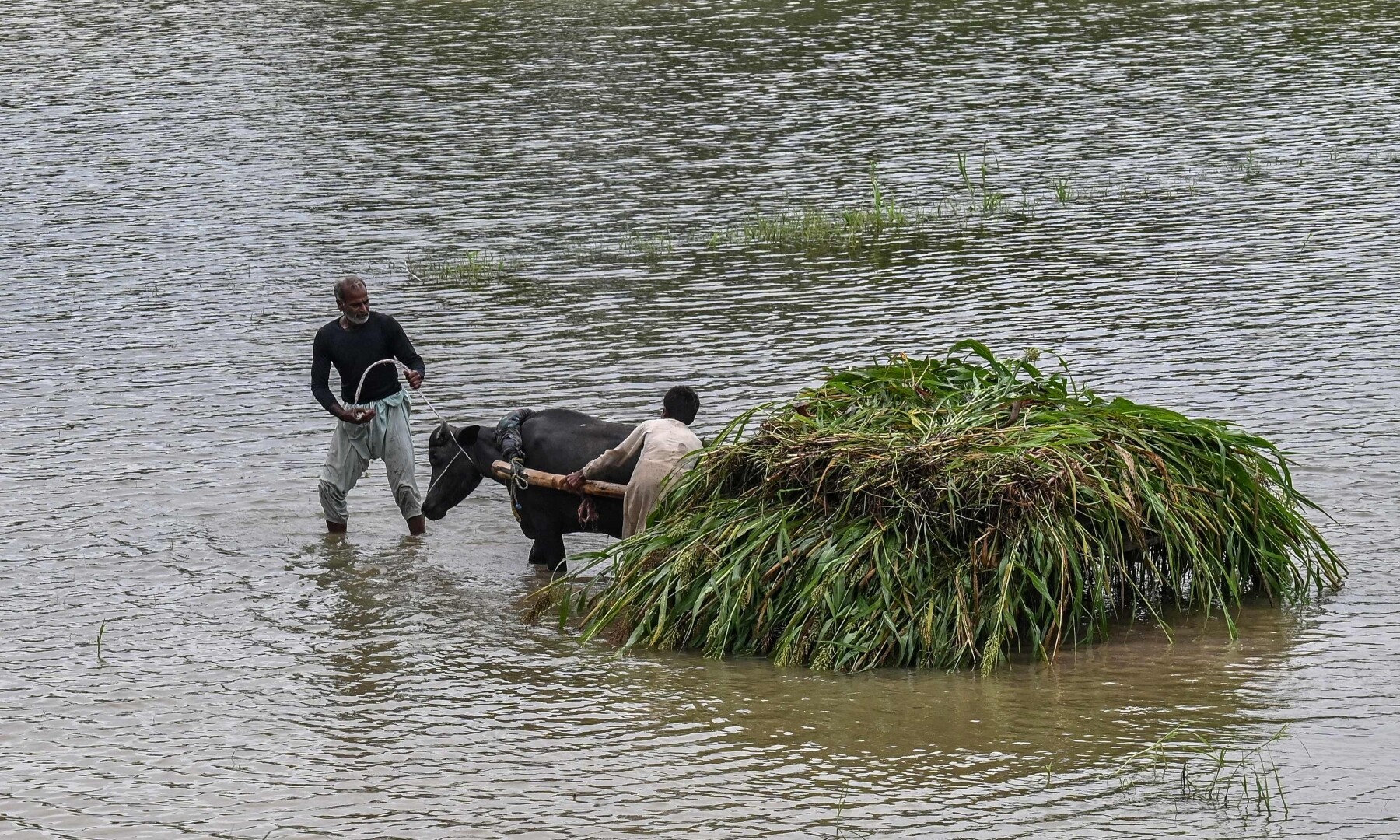
Swelling rivers have triggered rising floodwaters that now endanger communities in Sheikhupura and Nankana, forcing massive evacuations and emergency action as Pakistan grapples with one of its most severe flooding disasters in decades.
Rising Floodwaters Threaten Vital Communities
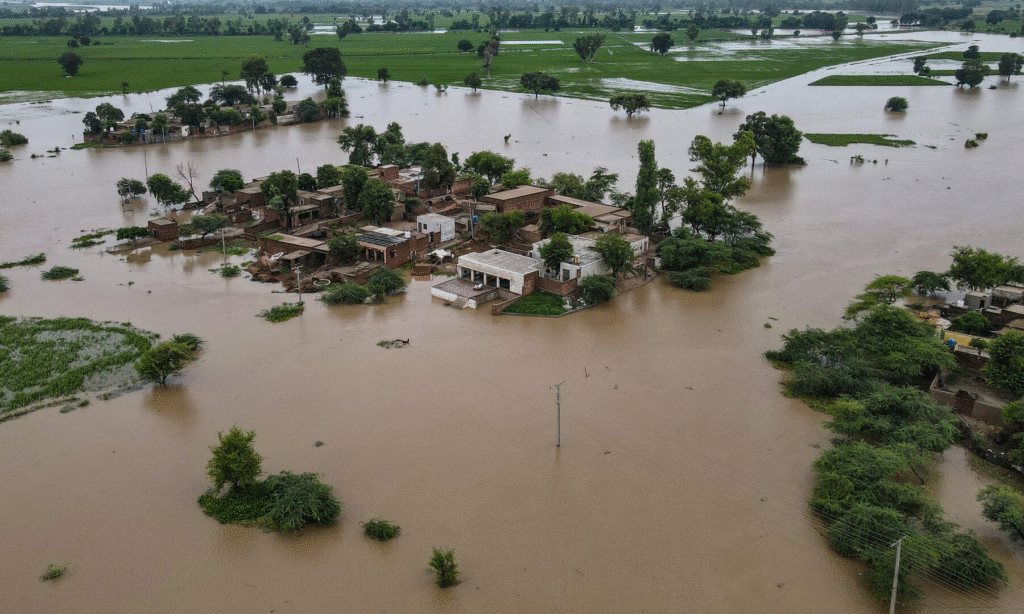
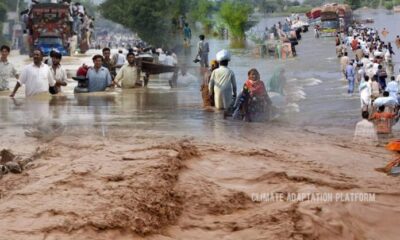
Flooding driven by the overflowing Ravi, Chenab, and Sutlej rivers is advancing quickly into Punjab’s Sheikhupura and Nankana districts. These rising waters are sparking alarm as hundreds of villages are at risk of submersion, endangering the lives of thousands of people in these fertile farmlands. The situation stems from relentless monsoon downpours along with controlled water discharges from dams located in India. The Provincial Disaster Management Authority (PDMA) has cautioned that the coming two days are especially critical for controlling the threat and safeguarding residents.
Massive Evacuations Underway
To protect lives, large-scale evacuation operations are underway across the flood-affected regions. More than a quarter of a million residents across Punjab have already been compelled to abandon their homes, with Sheikhupura and Nankana among the most brutally hit. Both civilian authorities and armed forces are working around the clock to relocate those at risk, offering food, medical care, and shelter. Priority is being given to vulnerable groups, such as young children, elderly citizens, and households that depend on livestock, ensuring they are moved first to secure facilities.
Infrastructure and Agricultural Losses Loom Large
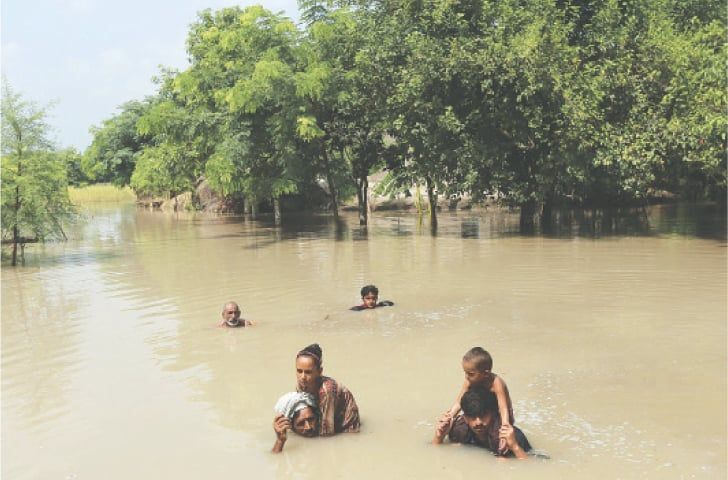
The disaster is creating destruction that extends far beyond immediate displacement. Roads and key routes in Sheikhupura have been flooded, cutting off access to numerous villages and obstructing relief operations. In several areas, protective levees and embankments have collapsed under the pressure of the water, escalating the flood’s reach. Agricultural land, the backbone of Punjab’s economy, has been swamped, destroying vast sections of standing crops. Since this region is a cornerstone of Pakistan’s food supply chain, the damage to wheat, rice, and other grains could result in long-term economic setbacks and food shortages.
Ongoing Emergency Measures and Community Response
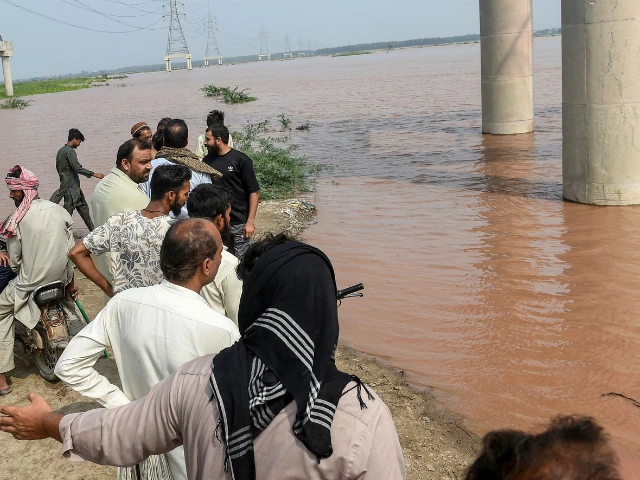
District administrations are executing drainage efforts and reinforcing weakened embankments with stone pitching to minimize further breaches. Heavy equipment and skilled workers are being strategically deployed to contain water flow and shield safe settlements. Ordinary citizens have also stepped in, organizing rescue efforts with tractors, boats, and improvised rafts to save stranded families. Even with these proactive actions, the floods have advanced so swiftly that many households were forced to leave behind most of their possessions, evacuating under severe pressure and uncertainty.
Regional and International Context of the Crisis
The intensity of this year’s floods is compounded by water releases from India’s upstream reservoirs. The additional flow has worsened already swollen rivers caused by unrelenting monsoon rains. These cross-border discharges, while part of standard dam management, carry political sensitivity, further straining bilateral ties. Nonetheless, both Indian and Pakistani officials have maintained channels of communication, providing alerts and sharing data to manage risks better. Satellite imagery shows dams nearing maximum storage levels, signaling that more discharges are likely, which could aggravate the crisis in the days ahead.
What to Expect in the Coming Days?
The PDMA has issued red alerts for dangerously high water surges in the Chenab River basin over the next one to two days, affecting areas including Sheikhupura, Nankana, and the surrounding regions. Meteorological forecasts predict ongoing monsoon activity and more dam discharges, increasing flood risks. Authorities are ramping up relief preparations, establishing temporary shelters, and providing veterinary services to protect displaced livestock, which is vital for rural communities.
This crisis underscores the combined impact of natural disasters and human activities on vulnerable populations. Coordinated emergency responses and humanitarian aid are essential for preserving lives and livelihoods. Residents in flood-prone areas should stay informed and follow official safety directives to navigate this emergency effectively.
Read Similar:


Dwayne Johnson Breaks Free: From “Box Office Star” to Hollywood Game-Changer

Powerful Earthquake Tremors Rattle Punjab and KP, Stirring Fear and Resilience
Afghanistan Quake Leaves Hundreds Feared Dead

” Main Zameen Tu Asmaan : 1 Love Story Shrouded in Mystery”

#قدم_بڑھاؤ_تحریک_چلاؤ: What This Protest Trend Says About Pakistan’s Youth
